


A gap between your teeth—clinically known as a diastema—can be a charming, unique feature. Celebrities and models often embrace their signature tooth gaps. However, for many people, a gap right in the front of their smile can cause self-consciousness. Beyond aesthetics, larger gaps can sometimes lead to functional issues, like trapping food or contributing to plaque buildup and gum inflammation.
If you’ve been thinking about closing the space between your teeth, the good news is that modern dentistry offers several highly effective, natural-looking solutions. Whether your gap is caused by genetics, a mismatch between jaw size and tooth size, or childhood habits like thumb-sucking, there’s a treatment designed to fix it.
Here is a breakdown of the most popular and effective ways to fill a gap in your teeth.

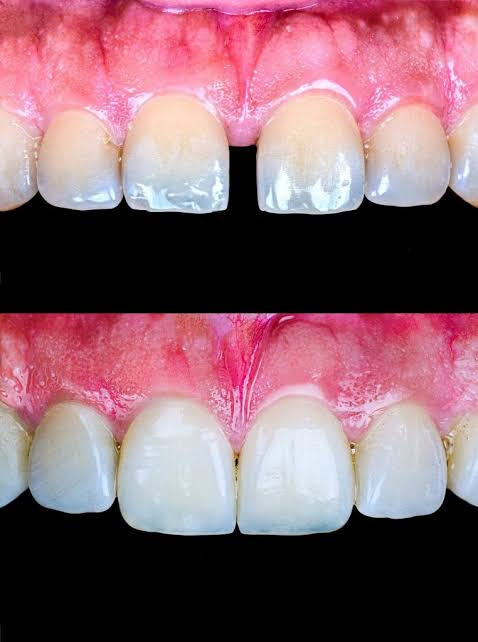
1. Dental Bonding (Composite Resin)
Dental bonding is often the quickest, most affordable, and least invasive way to close a minor to moderate gap.
In this procedure, the dentist applies a tooth-colored composite resin directly to the teeth adjacent to the gap. The resin is carefully sculpted to widen the teeth, effectively closing the space. Once shaped, it is hardened with a special UV light and polished to match the natural shine of your enamel.
- Pros: Usually completed in a single visit, no anesthesia required, and very cost-effective.
- Cons: Composite resin can stain over time (from coffee, tea, or smoking) and isn’t as strong as your natural teeth, meaning it can chip if you bite on hard objects.
2. Porcelain Veneers
If your teeth are discolored, chipped, or slightly misaligned in addition to having a gap, porcelain veneers might be your best option. Veneers are ultra-thin, custom-made ceramic shells that are permanently bonded to the front surface of your teeth.
To place veneers, the dentist usually needs to remove a tiny layer of your natural enamel to ensure a seamless fit. The result is a flawless, perfectly proportioned smile.
- Pros: Highly durable, resistant to stains, and offers a complete “smile makeover.”
- Cons: More expensive than bonding, requires irreversible alteration of the natural tooth enamel, and usually takes two appointments to complete.
3. Orthodontic Treatment (Braces and Clear Aligners)
For severe gaps, or if the diastema is part of a larger alignment issue (like an overbite, crossbite, or crowding in other areas), orthodontics is the healthiest long-term solution.
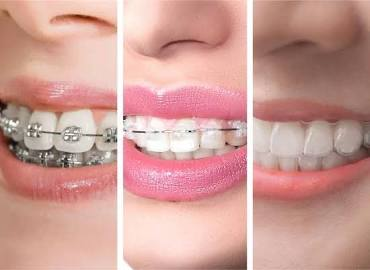
Instead of adding material to the teeth, orthodontics actually moves the teeth into their correct positions. While traditional metal braces are highly effective, many adults prefer clear aligners (like Invisalign). These custom-made, transparent trays gently shift the teeth over time and are virtually invisible.
- Pros: Fixes the root cause of the gap, improves overall bite and oral health, and leaves natural teeth completely intact.
- Cons: Takes time (anywhere from 6 to 18 months depending on the severity), requires strict compliance with wearing the aligners, and can be a significant financial investment.
Which Option is Right for You?
The best treatment for your diastema depends entirely on the size of the gap, the overall health of your bite, your budget, and your aesthetic goals.
If you just want a quick fix for a small space before a big event like a wedding, dental bonding is fantastic. If you want a permanent, flawless Hollywood smile, veneers are the gold standard. If you want to correct your bite fundamentally, clear aligners are the way to go.
The best first step is to book a consultation with your dentist or orthodontist. They can evaluate your bite, discuss your goals, and help you map out the perfect plan to achieve a healthy, confident smile!
Book your appointment with Britanna Dental Care and get rid of that gap which has been bothering your smile…!!!
Leave a Reply