


Anterior knee pain, commonly known as “knee cap pain” or Patellofemoral Pain Syndrome (PFPS), is one of the most frequent complaints evaluated in orthopedic and physiotherapy clinics. Whether you are an avid runner, a weekend warrior, or someone who just struggles with stairs, a dull, aching pain behind or around the kneecap can severely limit your daily life.
The most common culprit behind this discomfort isn’t structural damage like a torn ligament, but rather a mechanical issue: patellar maltracking. To fix how the kneecap moves, the primary medical intervention is targeted physiotherapy focusing on the quadriceps muscles.
The Anatomy of the Problem
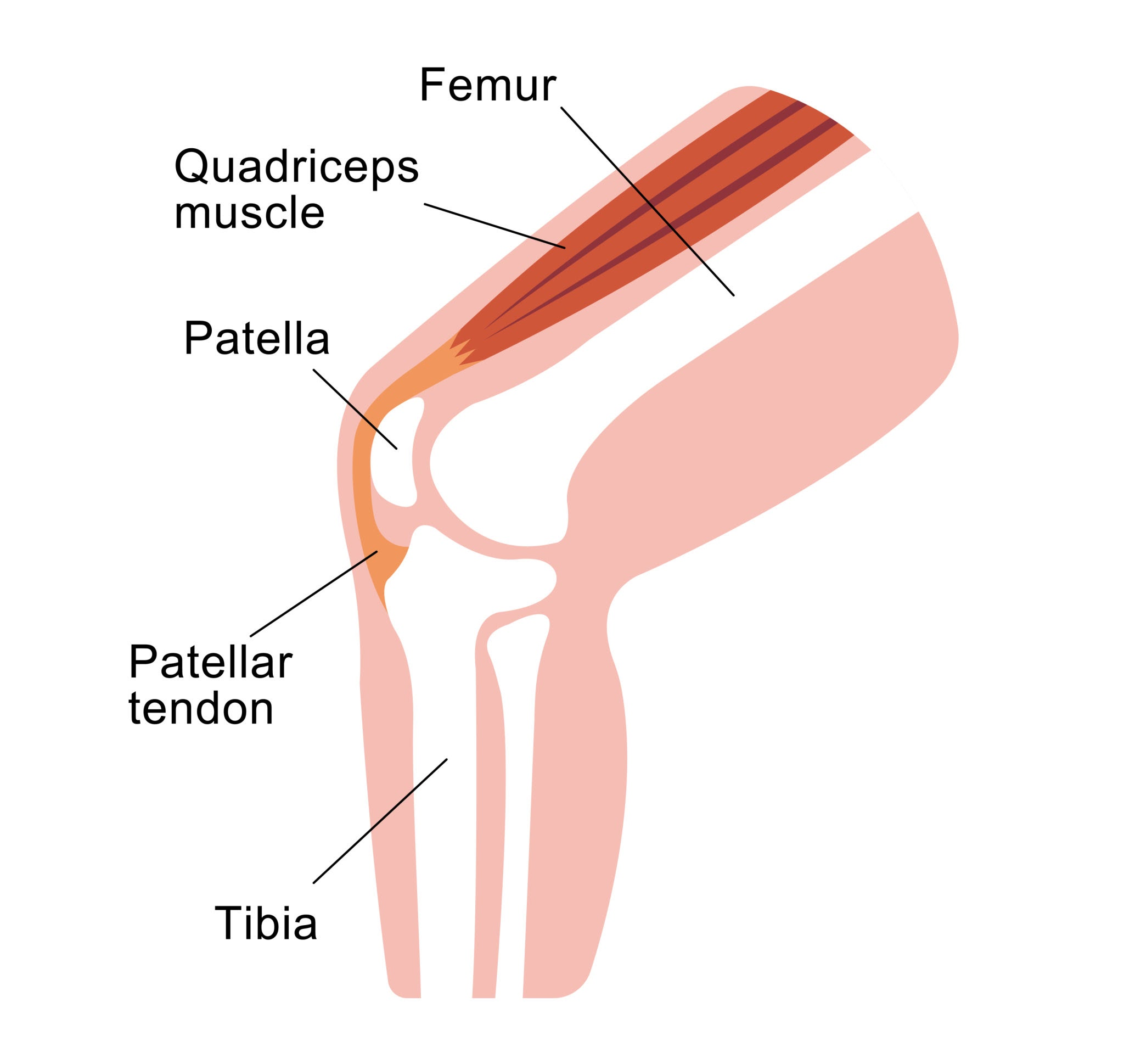
Your knee joint is a complex hinge, and the patella (kneecap) acts as a mechanical pulley to increase the leverage of your thigh muscles. When you bend and straighten your leg, the patella is supposed to glide smoothly up and down within a groove at the end of your thigh bone (the trochlear groove of the femur).
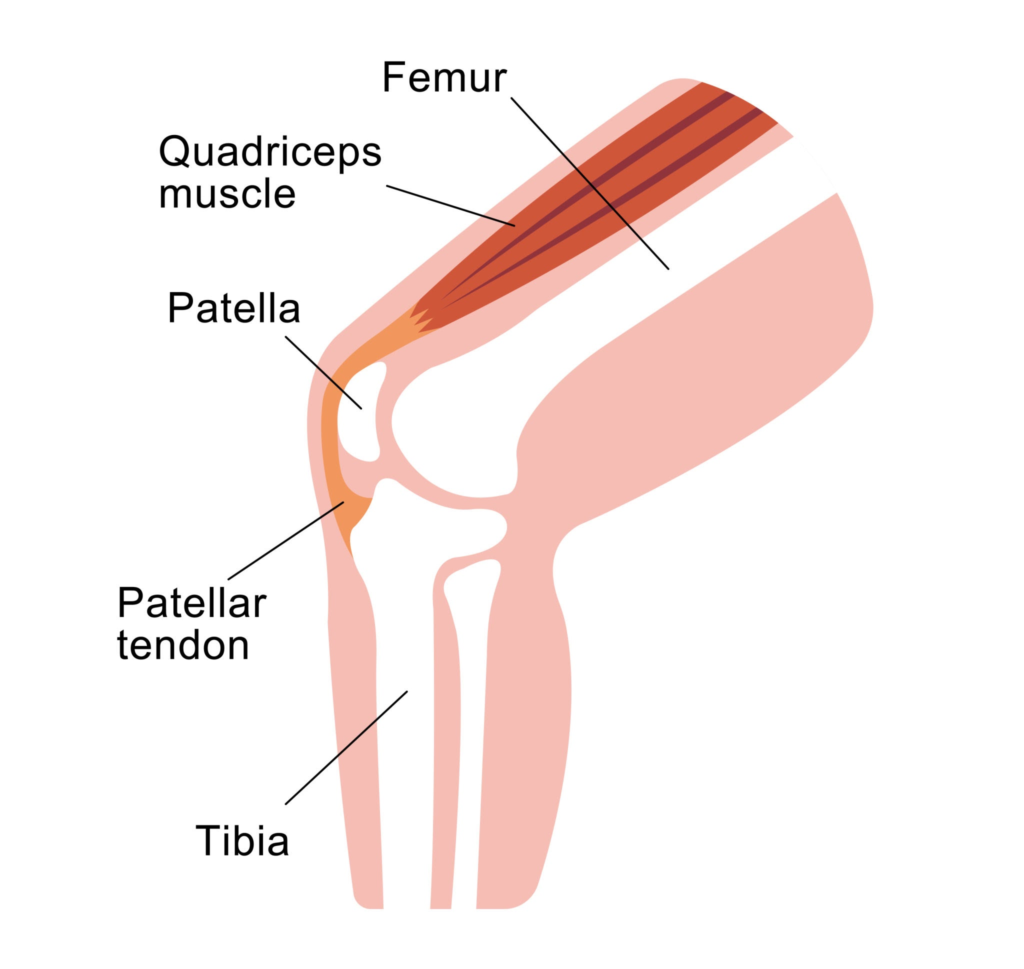
The quadriceps muscle group at the front of your thigh controls this movement. If these muscles are weak, fatigued, or imbalanced, the kneecap gets pulled off-center—usually toward the outside of the leg. This abnormal tracking causes the cartilage under the kneecap to grind against the underlying bone, leading to inflammation, irritation, and pain.
Visualizing the Maltracking: The X-Ray Perspective
When a patient presents with persistent knee cap pain, doctors often order a specific type of X-ray known as a “skyline” or “sunrise” view. This angle looks down at the bent knee from above, allowing the physician to see exactly how the patella sits in the femoral groove.
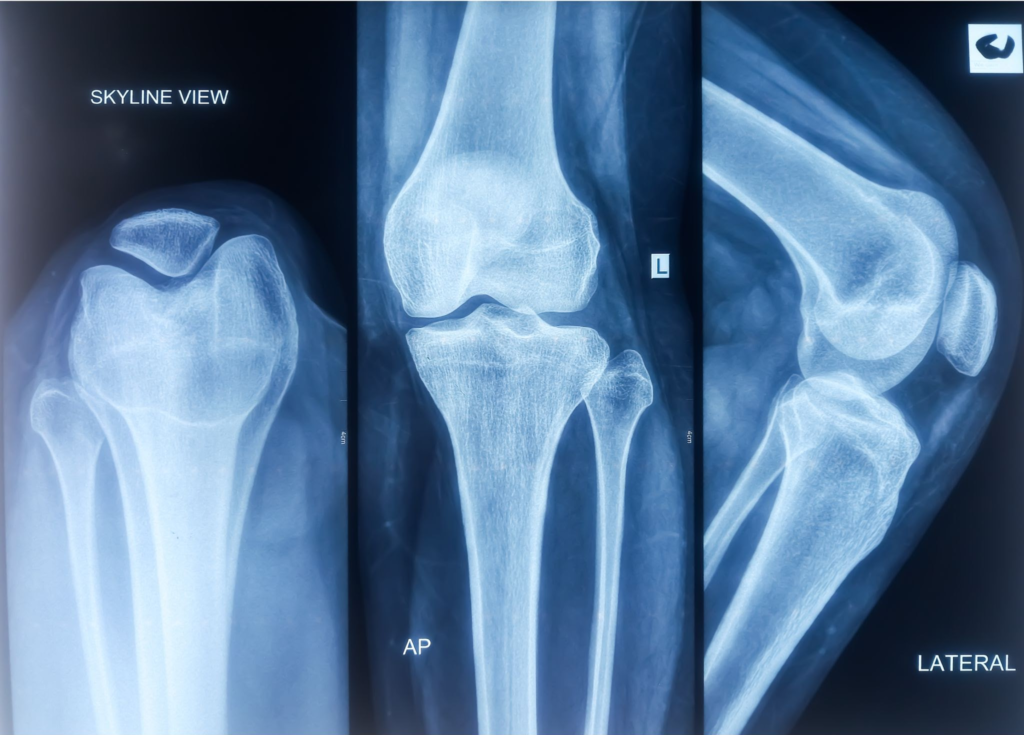
In a healthy knee, the X-ray will show the V-shaped patella sitting perfectly centered within the V-shaped groove of the femur, with a clear, even space of cartilage between them.
In a patient with patellofemoral pain, the X-ray often reveals a lateral tilt or glide. The patella is visibly pulled toward the outer edge of the groove, narrowing the joint space on one side and indicating abnormal friction.
The Prescription: Quadriceps Strengthening
Because the alignment of the kneecap is dictated by muscle tension, strengthening the quadriceps is the most effective way to pull the patella back into its proper track. Physiotherapy for this condition specifically targets the Vastus Medialis Oblique (VMO), the teardrop-shaped muscle on the inner side of the quadriceps. A strong VMO counteracts the outward pull on the kneecap, keeping it centered.
Standard Physiotherapy Protocols
A well-rounded physiotherapy program avoids exercises that put excessive compressive forces on the kneecap (like deep squats or heavy leg extensions) in the early stages, focusing instead on controlled, pain-free strengthening.
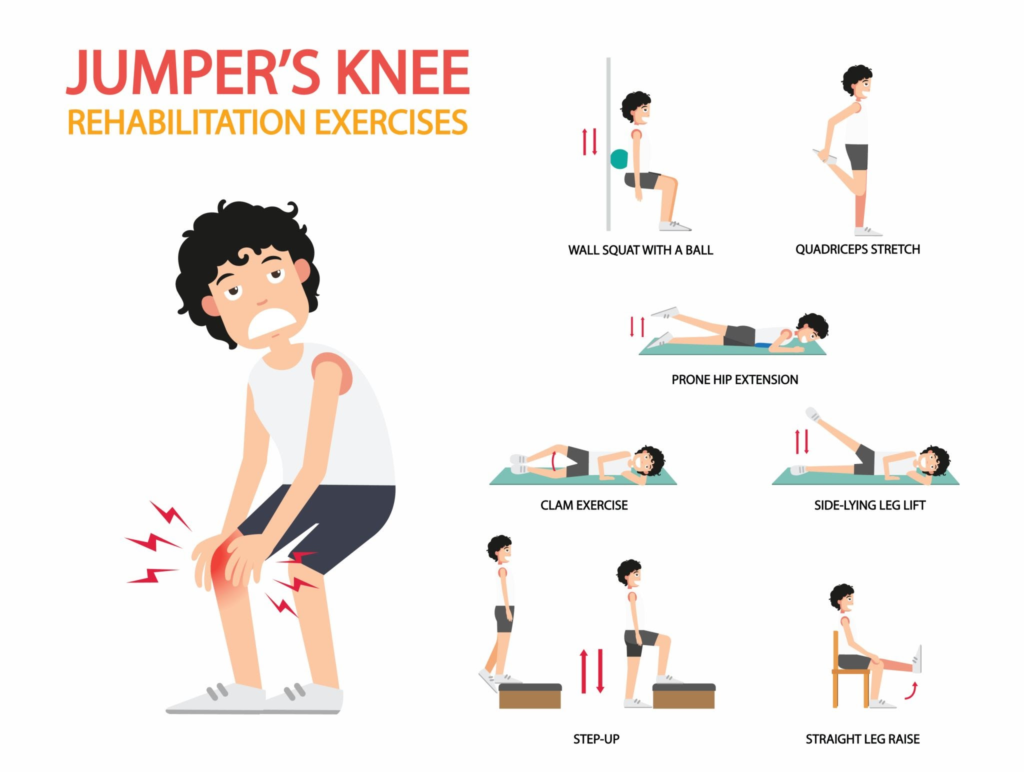
Effective starter exercises typically include:
- Straight Leg Raises: Lying on your back and lifting a straight leg engages the quadriceps without bending the knee, entirely avoiding friction behind the kneecap.
- Quad Sets (Isometric Contractions): Sitting with your leg straight and simply tightening the thigh muscle to push the back of your knee into the floor or bed.
- Shallow Wall Squats: Using a wall or a stability ball to perform mini-squats (bending no more than 45 degrees) helps build functional strength while keeping joint stress low.
Consistency is key. Unlike a medication that offers immediate relief, biomechanical remodeling takes time. Most patients see a significant reduction in knee cap pain after 4 to 6 weeks of dedicated, daily physiotherapy exercises as the muscle strength balances out and the patella learns to glide smoothly once again.
Leave a Reply